Eating well on a cruise is easier than ever. Most ships now have a dozen or more dining venues, ranging from come-as-you-are buffets to multi-course tasting menus from celebrity chefs. The challenge isn't finding good food — it's making the right calls without overspending or constantly regretting your choices.
This is how to dine well on any cruise.
The Main Dining Room Is Better Than You Think
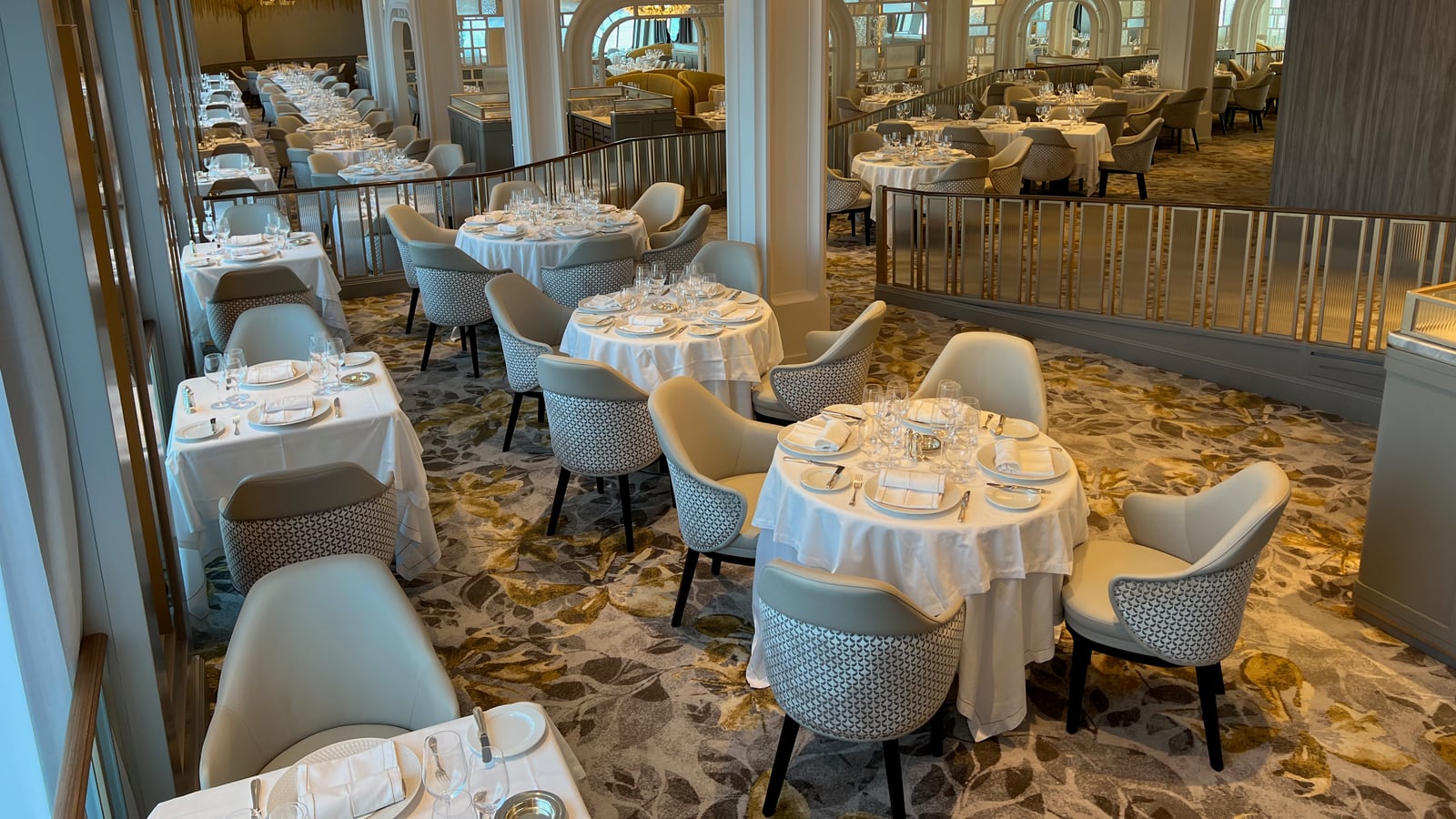
The main dining room (MDR) is included in your fare and serves three or four-course meals every night. The food quality is consistently good — not great, but good — and the menus rotate so you're not eating the same thing twice. The service is attentive and the room itself is usually one of the most beautiful spaces on the ship.
The main complaint people have about the MDR is timing: traditional fixed seating means dinner at 5:30 or 8:00. Most lines now offer flexible "Anytime" or "My Time" dining as an alternative. If you don't want a fixed schedule, request the flexible option when you book.
The MDR is also where the formal nights happen. The energy is festive, the dress code is loosely enforced, and the special menus (lobster night is famous on most lines) are worth showing up for.
The Buffet: Strategic Use Only
Buffets get a bad reputation, much of it deserved. Quality varies widely. The food sits longer than it should. The volume of options leads to plate fatigue.
That said, buffets are excellent for specific situations: a quick port-day breakfast before disembarking, a casual lunch, late-night snacks. The pizza and made-to-order pasta stations on most lines are surprisingly good. The carving station at lunch usually has decent roast meats. Soft-serve ice cream is universal and reliably bad in a way that becomes endearing.
What to skip at the buffet: anything that's been sitting in a chafing dish for an unknown amount of time, salads (lettuce wilts), and the dessert section (saved for the MDR, where it's plated fresh).
Specialty Restaurants: Worth the Cover Charge?
Specialty restaurants charge a per-person cover ranging from $20 (steakhouse on Carnival) to $75+ (Le Voyage by Daniel Boulud on Celebrity). The food quality and service are noticeably better than the MDR.
The decision: pay the cover when the restaurant is genuinely a specialty (the Italian on Holland America, the steakhouse on most ships, anything with a celebrity chef name attached). Skip when the specialty restaurant is essentially a slightly fancier version of MDR food.
Reservation strategy: book on embarkation day for the nights and times you want. Specialty restaurants on premium lines fill up quickly. Some lines offer dining packages (3-4 specialty meals at a discount) that are worth it if you're going to specialty restaurants anyway.
Drink Packages: The Math Most People Get Wrong
Drink packages are the cruise industry's most lucrative upsell. They're marketed as a value, but the breakeven is higher than most people drink.
Typical premium drink packages run $70-100 per person per day, with mandatory gratuity bringing the total to $85-120. To break even, you need to consume roughly 6-8 alcoholic drinks daily, every day, for the entire cruise. If one person in the cabin wants the package, both adults usually have to buy it.
The math is simple: track what you'd actually drink. If you're a two-cocktails-a-day cruiser, you're paying for capacity you won't use. If you're a five-cocktails-a-day cruiser plus specialty coffees plus bottled water, the package is a clear win.
Non-alcoholic packages are usually a worse deal. Cruise lines now provide free non-bottled water at most venues, and basic coffee, tea, lemonade, and iced tea are typically included.
Room Service
Most lines now charge for room service except for breakfast. The breakfast door-hanger is a great tradition — fill it out the night before, hang it on your door, and enjoy coffee on your balcony as the ship pulls into port. The selection is limited but the experience is unbeatable.
Late-night room service charges vary by line. Princess and Carnival charge $5-10 per order. Royal Caribbean's continental breakfast is free; everything else has a fee. Cunard and luxury lines include 24-hour room service in the fare.
The Best Hidden Dining Spots
Most ships have small venues that aren't widely advertised. The captain's table (if you can get an invitation), the wine bar with charcuterie, the late-night pub with comfort food, the pool grill at 11pm when the line is gone. Ask the staff what's open after 10pm — there are usually more options than the daily program lists.
Special Diets Are Well Handled
Vegetarian, vegan, gluten-free, kosher, halal — every major cruise line accommodates dietary needs. Notify them when you book and again when you board. The MDR head waiter will work with you each night to plan the next day's meals. Specialty restaurants are often the best for strict diets because the kitchens are smaller and more controlled.
The Honest Verdict
You can eat very well on a cruise without spending much beyond your fare. The MDR plus a single specialty restaurant per week is a great strategy for most cruisers. Skip the drink package unless you're a heavy drinker, embrace breakfast on your balcony at least once, and don't be shy about asking for substitutions or a second plate. The kitchen wants you to enjoy the meal.
Restaurant Selection Strategy
The main dining room is the cruise's anchor venue and the right default for most evenings. Modern main dining rooms deliver consistently good (though not exceptional) food, large menus that change nightly, and the social rhythm of the cruise format. Order the lighter-fare or spa-menu options for genuinely well-portioned, nutritious meals.
Specialty restaurants are the cruise's special-occasion venues. The pricing varies meaningfully across lines: $20–$45 per person on mass-market lines, $30–$60 on premium-mid, included on luxury. Pre-book the most-romantic and most-popular venues on day one — they fill quickly. Top recommendations across the major lines: Wonderland (Royal Caribbean), Le Bistro (NCL), Murano (Celebrity), Crown Grill (Princess), Pinnacle Grill (HAL), Tamarind (HAL).
The buffet is the cruise's value play and the most-trapped venue for calorie-conscious travelers. The variety is enormous; portion control is on you. A useful rule: one buffet meal per day, no more.
Specialty dining packages vary in value. The 3-meal package on most lines is genuinely cost-effective for travelers who'd dine at specialty restaurants 3+ times anyway; the 5-meal unlimited package is rarely worth the math. Compare the per-meal pricing to the à la carte specialty pricing before committing.
Room service is included on most lines for breakfast (continental); meaningful charges for in-cabin dinner. The lazy in-cabin breakfast on a sea day is a genuine cruise luxury.
Beverage Package Considerations
For moderate drinkers, the beverage package is rarely cost-effective; à la carte ordering wins. For 3+ daily drinkers, the package math often works. See our cruise beverage package guide for the line-by-line break-even analysis.
Tipping at Specialty Restaurants
Most lines automatically add a 18–20% gratuity to specialty restaurant covers; additional cash tipping is genuinely optional. For broader tipping context, see our cruise tipping & gratuities guide.
Dietary Restrictions and Special Requests
Most major cruise lines accommodate gluten-free, vegan, vegetarian, kosher, halal, and most allergy-driven dietary restrictions in the main dining room with 24-hour notice. Specialty restaurants are more variable; verify menu compatibility before booking.
For severe allergies (peanut, shellfish, gluten celiac), notify the cruise line at booking via the special-needs form, and confirm with the head waiter on the first night of dining. The head waiter typically reviews the next day's menu with allergy-affected guests and identifies safe options. The kitchen will prepare allergen-free meals upon request; the lead time is typically 24 hours.
For vegan and plant-based travelers: most lines now offer dedicated vegan menus in the main dining room. The buffet vegan options vary; specialty restaurants are more variable. Lines with the strongest vegan offerings: Holland America, Oceania, and Crystal.
For kosher and halal: most major lines offer pre-packaged kosher meals upon request; full kosher kitchens are limited. Halal options are typically managed via vegetarian or fish menu items. Verify with the cruise line at booking if dietary restrictions are central to the trip.
Children's Dining Options
Most major cruise lines have dedicated children's menus in the main dining room, kid-friendly buffet sections, and family-focused specialty restaurants (the Italian and pizza venues typically work well for kids). For toddlers and young children, the cabin-attendant service can be helpful — request kid-sized portions, plain pasta, simple proteins. The cruise lines' kids' clubs typically include dedicated kids' dinners with simplified menus.
For families with picky eaters: the buffet is the safest fallback (variety enables every family member to find something). The pool grill (burgers, pizza, hot dogs) is similarly reliable.
For broader cruise planning, see our cruise beverage package guide, our cruise tipping & gratuities guide, and our multigenerational cruise guide for family-focused dining strategy.