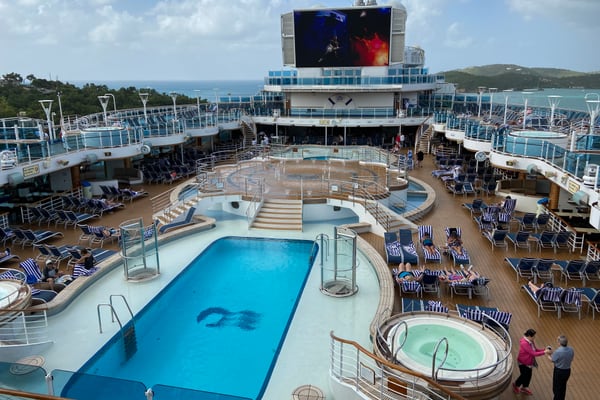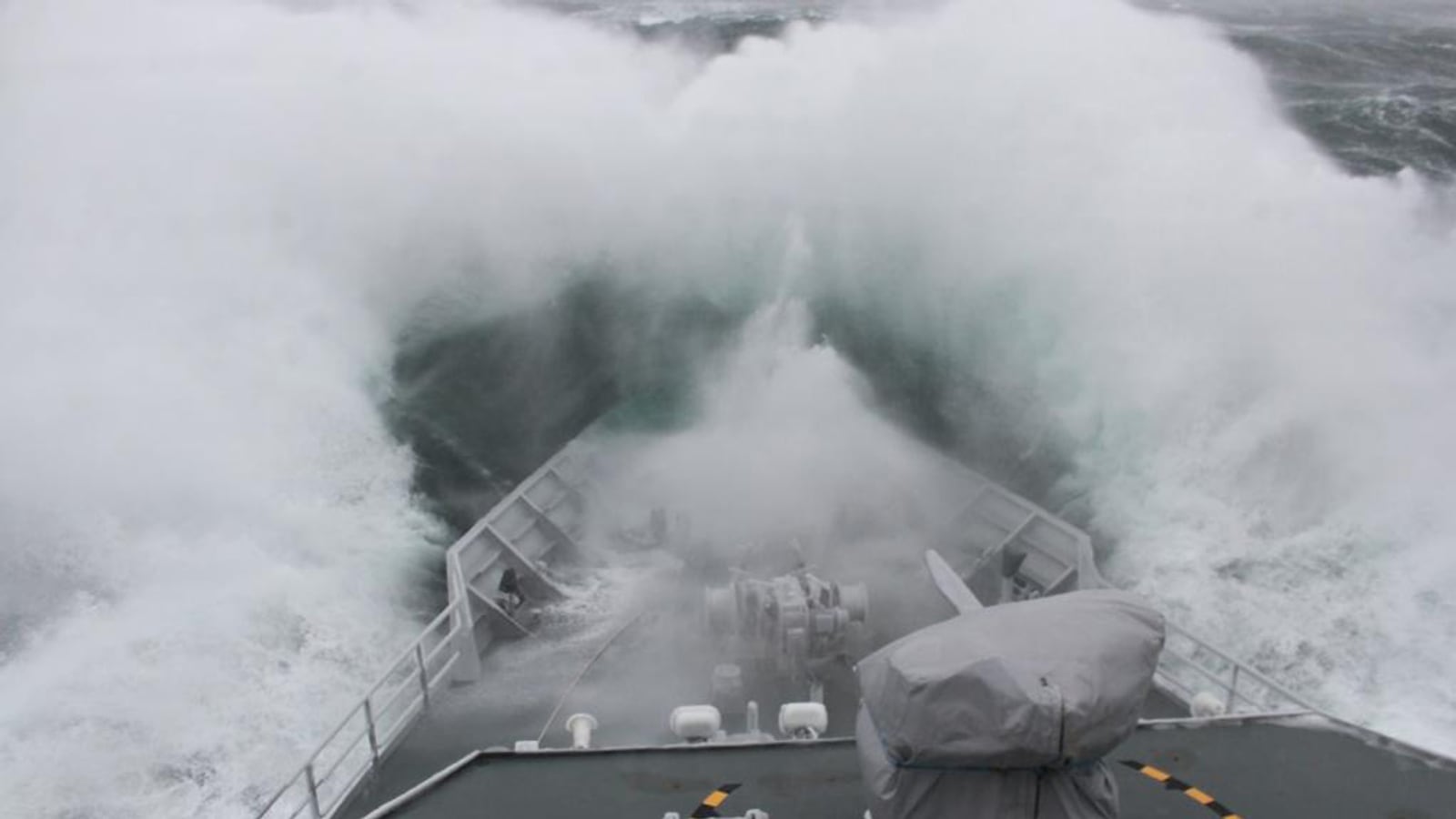
Seasickness is the cruise concern that prevents many people from booking. The fear is reasonable — motion sickness is genuinely awful when it happens — but the reality is more manageable than the worry suggests. Modern stabilizers, the right cabin choice, and good preventive medication mean that most travelers can sail through even rough conditions without becoming seriously ill.
This guide walks through what actually causes seasickness, the prevention strategies that work, the medications that genuinely help, and the situations where motion is most likely to be a problem.
Contents
This guide covers: how seasickness actually works (the inner-ear story); the cabin choices that minimize motion; the over-the-counter and prescription medications that work; the natural and behavioral approaches; the cruise itineraries with the lowest motion risk; and the most-asked seasickness questions.
How Seasickness Works
Seasickness is a sensory mismatch problem. Your inner ear (the vestibular system) detects motion as the ship moves; your eyes — looking at a stationary cabin or interior space — see no motion. Your brain interprets this mismatch as a signal that something is wrong (historically: that you've been poisoned), and it triggers nausea, dizziness, and the other classic symptoms.
The mismatch is worst:
- In interior spaces with no view of the horizon.
- When reading, watching screens, or doing close-up work.
- Below decks with no visible reference point.
The mismatch is best resolved by:
- Looking at the horizon (the eye-and-ear motion signals match).
- Being on deck in fresh air.
- Sleeping (no sensory mismatch).
Cabin Choice
The single highest-leverage seasickness prevention is cabin choice:
Best: mid-ship, low-to-mid deck, balcony cabin. The center of the ship has the least motion (think of the pivot point of a seesaw). Mid-deck is below the high pitching of upper decks. A balcony provides constant horizon visibility.
Good: mid-ship, low-to-mid deck, ocean-view cabin. Same motion benefit, less horizon visibility.
Worst: forward-facing cabin, high deck, interior. Forward cabins pitch most as the ship hits waves; high decks experience the most roll; interior cabins have no horizon reference.
If you're prone to motion sickness, prioritize mid-ship low-deck balcony over a more glamorous category.
Over-the-Counter Medications
The major OTC options:
Bonine / Antivert (meclizine): 25mg every 24 hours. Mild drowsiness side effect. Most popular OTC choice. Take 1 hour before exposure; works for 24 hours.
Dramamine (dimenhydrinate): 50mg every 4–6 hours. More drowsiness than meclizine. Older formulation; less popular now.
Dramamine Less Drowsy: meclizine reformulation; same as Bonine.
Benadryl (diphenhydramine): not specifically marketed for motion sickness but works mechanistically. Significant drowsiness.
Ginger: real candied ginger, ginger tea, or ginger capsules. Genuinely effective for mild cases; not adequate for serious motion. Side-effect free.
For most travelers, OTC meclizine (Bonine or Less-Drowsy Dramamine) is the right starting point. Take it preventively, not after symptoms start.
Prescription Medications
For more serious cases:
Scopolamine patch (prescription required). Worn behind the ear. Effective for 72 hours per patch. The most common prescription motion-sickness treatment for cruisers. Side effects can include dry mouth, blurred vision, and (rarely) confusion in older patients. Many cruisers swear by this; ask your doctor before the cruise.
Promethazine (prescription). Effective antinausea but with significant drowsiness. Used more for active treatment than prevention.
Ondansetron (Zofran) (prescription). Effective for nausea but does not address the underlying motion-sickness mechanism. Useful as backup if other approaches fail.
The ship's medical center will sell some of these (typically Dramamine, sometimes Bonine, sometimes scopolamine patches) but at a significant markup. Bring your own.
Natural and Behavioral Approaches
Several non-medication approaches genuinely help:
- Pressure-point wristbands (Sea-Bands and similar). Mixed clinical evidence but many users report benefit. Side-effect free; cheap; worth trying.
- Ginger (capsules, candies, or tea). Effective for mild to moderate cases. Side-effect free.
- Fresh air and horizon visibility. The single most effective non-medication intervention. If you start feeling queasy, get on deck immediately.
- Crackers, dry toast, or apples. Bland carbohydrates that settle the stomach.
- Stay hydrated. Dehydration intensifies motion sickness.
- Avoid alcohol during rough conditions. Alcohol intensifies motion sickness.
- Lie flat on your back. Reduces sensory mismatch.
- Sleep. The body's reset for motion sickness.
Itineraries by Motion Risk
Some cruise itineraries have meaningfully more motion than others:
Lowest motion risk:
- Caribbean (almost universally calm).
- Mediterranean in summer (calm).
- Alaska Inside Passage (the inside passage is sheltered; ocean stretches around Glacier Bay can be more variable).
- Hawaii (Pacific is generally calm).
- River cruises (essentially zero motion).
Moderate motion risk:
- Mediterranean in winter (occasional rough patches).
- Northern Europe in summer (variable).
- Bermuda from New York (Atlantic stretch can be rough).
- Mexican Riviera (Pacific stretch can be rough in winter).
Higher motion risk:
- Transatlantic crossings (variable; can be rough).
- Northern Europe in shoulder season (Atlantic risk).
- Iceland and Greenland routes (North Atlantic).
- Antarctic Drake Passage (legendary for motion).
- Pacific crossings (long, variable).
If you're highly motion-sensitive, avoid the higher-risk itineraries on your first cruise. Build experience and confidence on the lower-risk routes.
Common Questions
Will I get seasick? Hard to predict in advance. About 30% of cruise passengers experience some motion sickness at some point; about 5% experience serious motion sickness. The rest are unaffected.
How long does it take to "get sea legs"? For most travelers, 24–48 hours. After that, even moderate motion ceases to be uncomfortable.
What if I get seasick during the cruise? Get on deck, take meclizine, drink water, eat dry crackers. Most cases resolve within 4–6 hours. The ship's medical center can prescribe stronger medication if needed.
Will scopolamine make me too drowsy to enjoy the trip? Most people tolerate it well; about 10% experience significant side effects. Try a patch at home before the cruise to see how you respond.
For the broader cruise health context, see our wellness at sea guide; for itinerary-specific motion considerations on rougher North-Atlantic crossings, see our Viking Sky Iceland & Greenland review.
Final Take
Seasickness is real but highly manageable. Choose a mid-ship low-deck balcony cabin, bring meclizine or scopolamine, get fresh air at the first sign of queasiness, and you'll handle even moderately rough seas comfortably. The fear of seasickness is generally worse than the experience.