Cabin category is the single largest non-itinerary variable in the cruise booking decision. The same ship on the same itinerary can vary by 3–5x in price based purely on cabin choice, from the entry-level interior cabin at the bottom of the deck plan to the multi-room owner's suites at the top. The marketing language around upgrades is universally enthusiastic; the actual value of each tier is not.
This guide walks through the cabin category landscape, the genuine value of each upgrade tier, the key tradeoffs at each price point, and the bid-up programs that have transformed how cruise lines fill upper cabins. The aim is to help you choose the right cabin for your trip rather than the most expensive cabin you can afford.
Contents
This guide covers: the cabin category hierarchy across cruise lines; the interior versus oceanview decision; the oceanview versus balcony decision; the balcony versus suite decision; the suite tier decisions; bid-up and upgrade programs; and the most-asked cabin upgrade questions.
The Cabin Category Hierarchy
Most modern cruise ships organize cabins into roughly five tiers, with names varying by line:
Interior (no window, smallest). 130–180 square feet typical. Cheapest option; can be excellent value for travelers who treat the cabin as a place to sleep.
Oceanview (window, no balcony). 150–200 square feet typical. Adds natural light and a view; usually $20–$40 per person per night more than interior.
Balcony (window plus private outdoor space). 175–250 square feet (cabin) plus 35–60 square feet (balcony). The most-purchased category on most modern ships; usually $40–$80 per person per night more than interior.
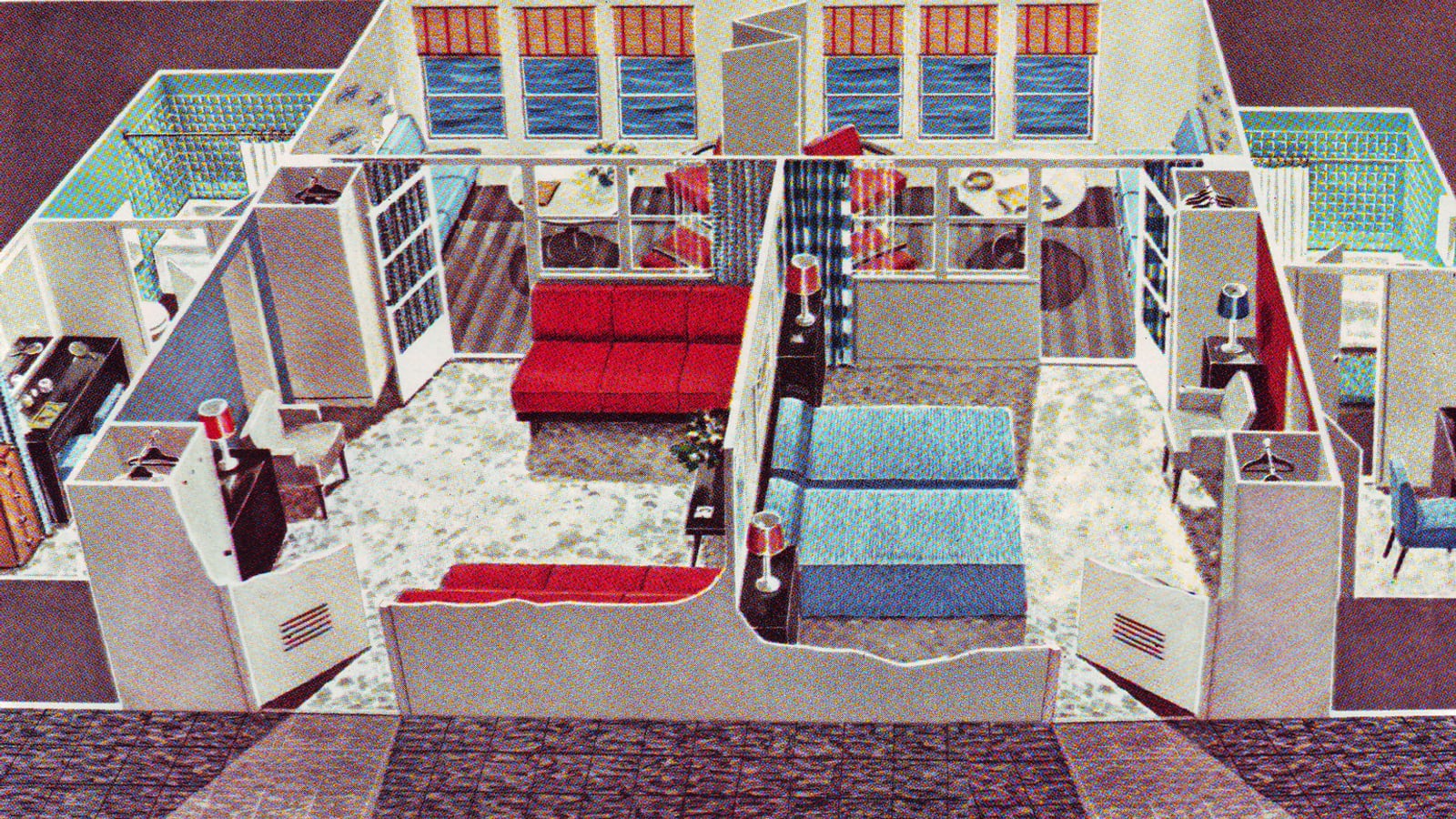
Junior suite or mini-suite. 250–350 square feet. Larger sitting area, larger bathroom, better cabin layout. Usually 1.5–2x the balcony price.
Full suite. 350–1,500+ square feet. Multiple rooms, butler service (on most lines), suite-only dining venues, priority embarkation, premium concierge. 2.5–8x the balcony price depending on suite tier.
Each upgrade level adds roughly 50% more cabin space and a meaningful set of additional amenities — the question is whether those additions justify the premium for your specific trip.
Interior Versus Oceanview
The interior-versus-oceanview decision divides cruise travelers cleanly:
Interior cabin works well for:
- Port-dense itineraries where you're rarely in the cabin during waking hours (Mediterranean, Alaska shore-day-heavy sailings).
- Solo travelers (the cabin price burden is doubled for solos due to single supplements).
- Budget-conscious travelers maximizing trip length.
- Light-sleepers (the lack of window light is genuinely a benefit).
Oceanview cabin works well for:
- Sea-day-heavy itineraries where natural light during the day matters.
- Travelers who get claustrophobic in interior cabins (a real consideration for some).
- Couples who spend significant cabin time during the day.
The oceanview premium ($20–$40 per person per night) is often modest. For sea-day-heavy itineraries, it's usually worth booking up.
Oceanview Versus Balcony
The biggest upgrade decision for most cruise travelers:
Balcony cabin works well for:
- Scenic itineraries (Alaska, Norwegian fjords, Caribbean, Hawaii). Private outdoor space dramatically elevates the trip.
- Sea-day-heavy itineraries where balcony coffee and balcony reading become daily rituals.
- Couples and small groups (the balcony provides the "second room" that an interior or oceanview lacks).
- Cruise travelers who view the cabin as part of the experience.
Balcony cabin is harder to justify for:
- Port-dense itineraries with little time on the ship (the balcony goes unused).
- Cold-weather itineraries (Northern Europe outside summer, parts of Alaska shoulder season — the balcony is under-used).
- Budget-conscious travelers who could use the savings to extend the trip.
The balcony premium over oceanview is typically $20–$40 per person per night. For scenic itineraries, the value is usually worth it; for quick port-dense Caribbean sailings, the upgrade is more discretionary.
A specific consideration: aft-facing balconies (at the back of the ship) are typically the largest balconies on the ship, often 2–3x the size of standard balconies, with wake views. They book early. See our Celebrity Apex Northern Europe review for a case study of aft-balcony elevation.
Balcony Versus Suite
The biggest upgrade decision for premium cruise travelers:
Junior suite / mini-suite is often a "best of both worlds" tier. 50% more space than a balcony, slightly better amenities (premium toiletries, sometimes priority embarkation), but rarely the dedicated suite-only dining or butler service of full suites. The premium over balcony is typically 1.5x — meaningful but not extreme. For a 14+ night cruise, often worth it.
Full suite delivers a meaningfully different experience:
- Butler service for cabin requests, in-suite dining, daily turndown, bookings.
- Suite-only restaurants on many lines (Royal Caribbean Coastal Kitchen, Norwegian Haven Restaurant, MSC Yacht Club restaurants).
- Suite-only sun decks and lounges on many lines.
- Priority embarkation and disembarkation (saves hours over a typical cruise).
- Concierge services (excursion bookings, dining reservations, special arrangements).
The full-suite premium varies dramatically: some lines (Royal Caribbean, NCL, MSC) deliver "ship within a ship" suite products with substantial value at 3–5x the balcony price. Other lines (Princess, HAL, Celebrity outside The Retreat) deliver less differentiated suite experiences for which the premium is harder to justify.
The "ship within a ship" suite products (Royal Caribbean Star Class, NCL Haven, MSC Yacht Club, Celebrity The Retreat) genuinely deliver luxury-cruise-equivalent experiences on mass-market and premium-mid ships. The per-night cost is often 60–80% of true luxury cruising — substantial, but with the option to access the wider ship's programming when desired. For multi-generational groups or travelers who want luxury but not the small-ship-only experience, these products are some of the best values in cruising.
Suite Tier Decisions
Within full suites, lines typically offer 3–5 sub-tiers:
Entry-level full suite: the smallest "suite" category, often a slightly larger balcony cabin with butler service. The amenities are real; the space difference from a junior suite is sometimes marginal. Worth the premium if the suite-only restaurant access matters.
Mid-tier suite (one bedroom): meaningfully larger (450–700 square feet), with a real living area. The right tier for couples seeking a substantial suite experience without the family-sized premium.
Family suite: configured for 4–6 people with multiple sleeping arrangements. The per-person cost can be very competitive for families; the per-suite cost looks expensive. Strong value for the right family.
Owner's suite or top-tier suite: 800–1,500 square feet, multiple rooms, dramatic public spaces. Limited inventory; significant premium. The "trip of a lifetime" tier.
Bid-Up and Upgrade Programs
Most major cruise lines now offer post-booking bid-up programs:
How they work: 30–90 days before sailing, the cruise line emails passengers with current cabin upgrades. Passengers can bid (within line-specified ranges) to upgrade to higher categories. Bids are accepted or declined at the line's discretion based on cabin availability. The bid-up sweet spot is typically 30–50% of the published price difference.
Strategy:
- Bid the minimum value first; you can re-bid higher if declined.
- The system tends to accept bids closer to sailing for higher-demand cabin categories.
- The 30–60 day window before sailing is the most-active bid acceptance period.
- Don't bid more than you'd actually pay for the upgrade at booking time.
Risks:
- The cabin assignment within the upgraded category is line's discretion (you may end up with a less-desirable specific cabin).
- The original cabin's perks (loyalty points, included beverage tiers) may or may not transfer (line-specific rules apply).
For travelers who book the entry-level cabin with the explicit plan to bid up, the system can deliver outsized value — a balcony for the cost of an interior plus a $300 bid is a routine outcome.
Common Questions
Is the balcony worth it on a 7-night Caribbean cruise? For first-time cruisers, yes — the cabin experience is a significant part of the cruise format. For experienced cruisers on a port-dense itinerary, the balcony becomes more discretionary.
Should I book the cheapest interior or the cheapest balcony? If it's a 7-night cruise and the difference is under $200 per person, book the balcony. If the difference is $500+ per person, the interior is rational.
Is the suite worth it for a special occasion? For honeymoons, milestone anniversaries, big birthdays — yes, especially the "ship within a ship" suite products that deliver luxury-equivalent experience. See our honeymoon cruise guide for the suite-as-trip-elevator argument.
When should I book to maximize bid-up potential? Book at the lowest cabin category 8–12 months out, then bid 45–60 days before sailing.
For broader cruise planning, see our luxury cruise lines guide for the alternative of starting at a luxury line where the cabin is a suite by default; for the multigenerational angle, see our multigenerational cruise guide.
Final Take
The cabin upgrade decision is the most important non-itinerary variable in cruise booking. The balcony versus interior decision is usually worth the premium for first-time and scenic-itinerary cruisers. The suite versus balcony decision is more nuanced — the "ship within a ship" products on mass-market and premium-mid lines deliver the best suite value in cruising, while traditional suites on premium-mid lines often underdeliver. The bid-up programs have transformed cabin upgrade economics, and the disciplined bidder routinely accesses upper-tier cabins for 30–50% of the rack rate. Pick the cabin that matches your trip's character; the right cabin elevates the cruise dramatically, while the wrong upgrade just costs money.