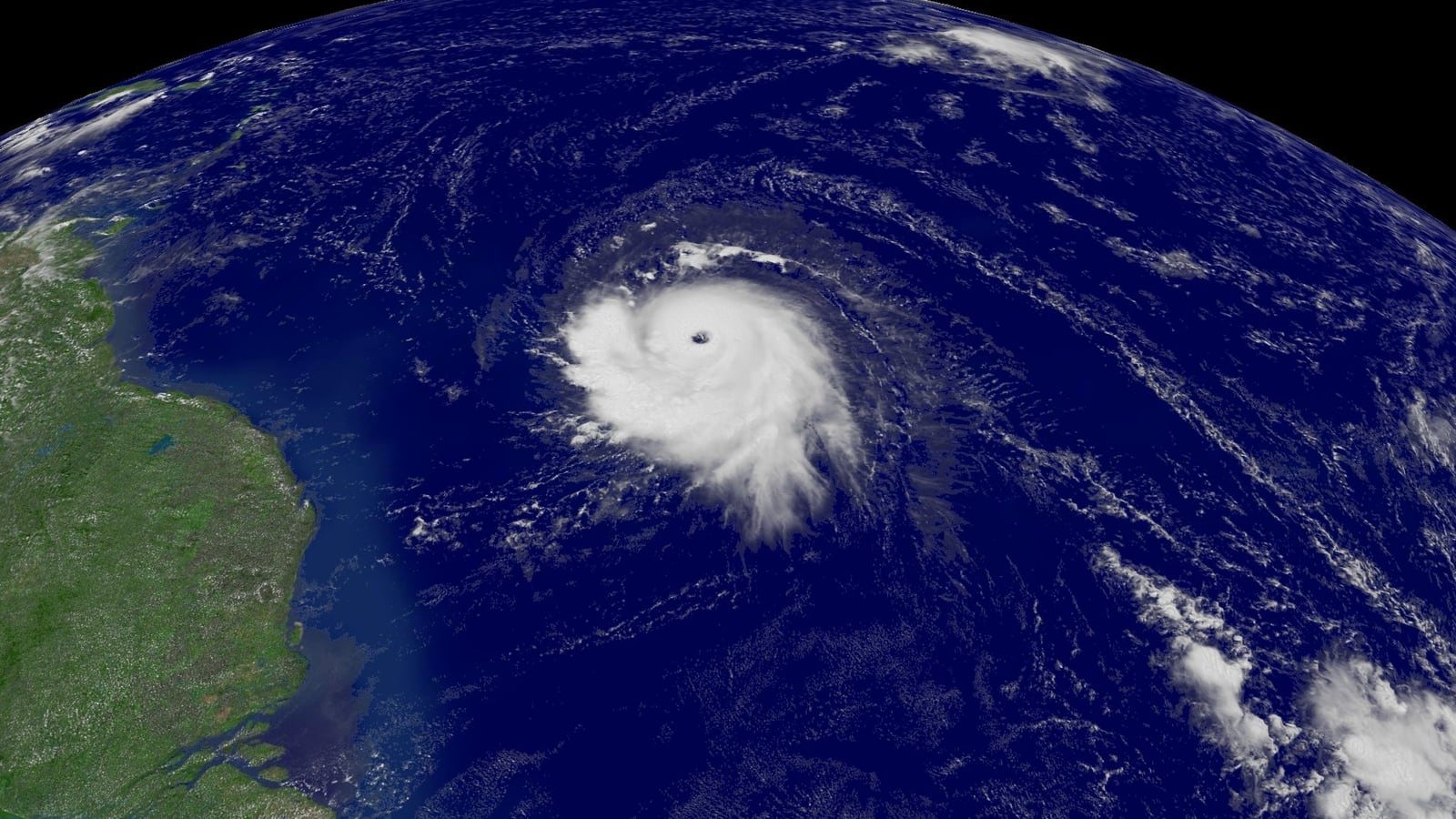
The Atlantic hurricane season runs June 1 through November 30, with peak activity from mid-August through mid-October. During this window, Caribbean cruises are routinely 30–50% cheaper than equivalent winter sailings, ports are quieter, and ships sail at less than full capacity. The discounts are real and substantial; the risk is also real and not zero.
This guide walks through the actual statistics on hurricane disruption, the strategies for managing the risk, and the situations where hurricane-season cruising is genuinely smart vs. genuinely foolish.
Contents
This guide covers: the real frequency of hurricane disruption to cruises; the regional hurricane risk patterns within the Caribbean; the cruise-line policies on weather changes; the role of travel insurance in the hurricane-season equation; the months and routes that minimize risk; and the most-asked hurricane-season questions.
The Real Statistics
Cruise lines have decades of experience managing hurricane disruption. The reality:
- About 10% of Caribbean cruises during hurricane season experience some itinerary modification (port substitution, missed port, or schedule change).
- About 2% experience significant disruption (multiple missed ports, return to home port, or major itinerary rerouting).
- Less than 0.5% experience cancellation outright (the cruise either doesn't sail or is canceled mid-cruise with full refund).
Cruise ship cancellations due to hurricanes are genuinely rare. Itinerary changes are more common but typically substitute equivalent ports rather than ending the trip.
Regional Patterns
Hurricane risk varies significantly within the Caribbean:
Highest risk: Eastern Caribbean and Bahamas during August–October. The classic hurricane belt. Most named storms transit this zone.
Moderate risk: Western Caribbean (Cozumel, Belize, Honduras) during August–October. Storms are less frequent but more impactful when they occur.
Lowest risk: Southern Caribbean, especially the ABC islands (Aruba, Bonaire, Curaçao). Below the hurricane belt; rarely affected. The ABC islands have not had a meaningful hurricane in modern record. See our HAL Nieuw Statendam Southern Caribbean review for an example of a year-round-confident itinerary.
Cruise-Line Policies
Cruise lines have detailed weather-disruption policies:
- Itinerary changes are the line's prerogative. The line can substitute ports, skip ports, or change the order of ports without notice. You generally have no recourse for a port substitution.
- Cancellation is rare and triggers refund. If the cruise is canceled before sailing, you receive a full refund. If canceled mid-cruise, you receive a prorated refund.
- Port-day weather (high winds preventing tendering, for example) typically results in a missed port without compensation. Some lines offer a small onboard credit ($25–$50) for major missed ports.
- Insurance for cruise fare: most lines' insurance products cover hurricane-related disruption. Third-party providers also cover it; check the specific named-perils.
The Insurance Calculation
For hurricane-season cruising, travel insurance becomes near-mandatory. The premium is typically 5–8% of the trip cost ($150–$300 for a $3,000 cruise). The protection covers:
- Trip cancellation if a named storm threatens your sailing (with cruise-cancel-for-hurricane benefits).
- Medical evacuation (always relevant).
- Trip interruption if the cruise is cut short.
- Some baggage protection.
The insurance does not cover:
- Itinerary modifications that don't cancel the cruise.
- Personal disappointment with the rerouted itinerary.
If you're considering a hurricane-season cruise, build the insurance cost into the comparison. The discount is still substantial but slightly smaller than the headline number suggests.
The Smart Hurricane-Season Strategy
Several strategies meaningfully reduce hurricane-season risk:
1. Sail the ABC islands. The Southern Caribbean below the hurricane belt is genuinely low-risk year-round. Pricing is competitive in hurricane season; the destination experience is excellent.
2. Sail in June or November (the shoulder months). Statistically, June and November have the lowest activity within the hurricane season. The deepest discounts are typically in September–October (peak activity); the June and November discounts are still 20–30% with meaningfully lower risk.
3. Pick longer cruises. A 10–14 night Southern Caribbean cruise has more days at sea, more flexibility for the cruise line to dodge weather, and generally a less-impacted experience even during a named storm.
4. Sail from a southern home port. Cruises departing from San Juan typically sail to the Southern Caribbean and stay south of the storm zone. Cruises departing from Florida have more exposure.
5. Buy insurance. Comprehensive coverage including hurricane-related cancellation. The investment pays off in the rare bad-weather case.
The Smart Hurricane-Season Skip
Some situations argue against hurricane-season cruising:
- Tight schedule — if you can't easily extend your trip if it's delayed or modified, the risk isn't worth the savings.
- Specific port-day priorities — if you're booking the cruise specifically for a particular port (a wedding-anniversary trip to St. Thomas, for example), the substitution risk is high.
- First-time cruiser concerns — if motion sickness or weather worry will dominate the trip emotionally, the savings aren't worth the anxiety.
- Eastern Caribbean in August–October — the highest-risk window of the highest-risk region. Discounts are real but the disruption probability is meaningful.
Common Questions
Will my cruise be canceled? Probably not. Even during major hurricane events, cruise cancellations are rare. Itinerary modifications are more common.
Will I be safe on board? Modern cruise ships are designed to handle major weather. The captain will reroute to avoid serious storms. Onboard safety in actual storm exposure is a near-certainty.
Should I worry about my flight to the cruise port? Yes — the bigger hurricane risk for many cruisers is the flight to the port being canceled. Build in extra time and consider arriving a day or more before embarkation.
What if my cruise is rerouted? You'll receive notification (often after departure). The new itinerary may be different in subtle ways — different ports, different at-sea time, different weather. The cruise itself will still happen.
For the broader value-shopping context, see our best time to book a cruise guide; for off-season strategy more generally, see our off-season cruising guide.
Final Take
Hurricane-season Caribbean cruising is genuinely a value play for travelers who can manage the risk thoughtfully. The discounts are real, the disruption probability is moderate, and the right strategies (ABC island routes, shoulder months, comprehensive insurance) keep the actual risk low. For travelers who can't manage the variability, sail in winter and pay the premium.