Transatlantic crossings and seasonal repositioning sailings are the routinely cheapest cruises in the world by per-night cost. Pricing is 30–50% under equivalent regional cruises, the cabins are often the same hardware, and the dining and entertainment programs run identically. The catch — and there is a real catch — is that you trade port density for sea days, and the repositioning logistics (one-way flights, connecting transportation) can add real cost back to the equation.
This guide walks through the categories, the value math, the experience reality, and the when-it-makes-sense decision tree.
Contents
This guide covers: what counts as a transatlantic vs. a repositioning sailing; the seasonal pattern of fleet repositioning; the genuine value math after one-way flights; what life on a sea-day-heavy sailing actually looks like; the right ships and lines for repositioning; and the most-asked questions about whether repositioning makes sense for you.
Definitions
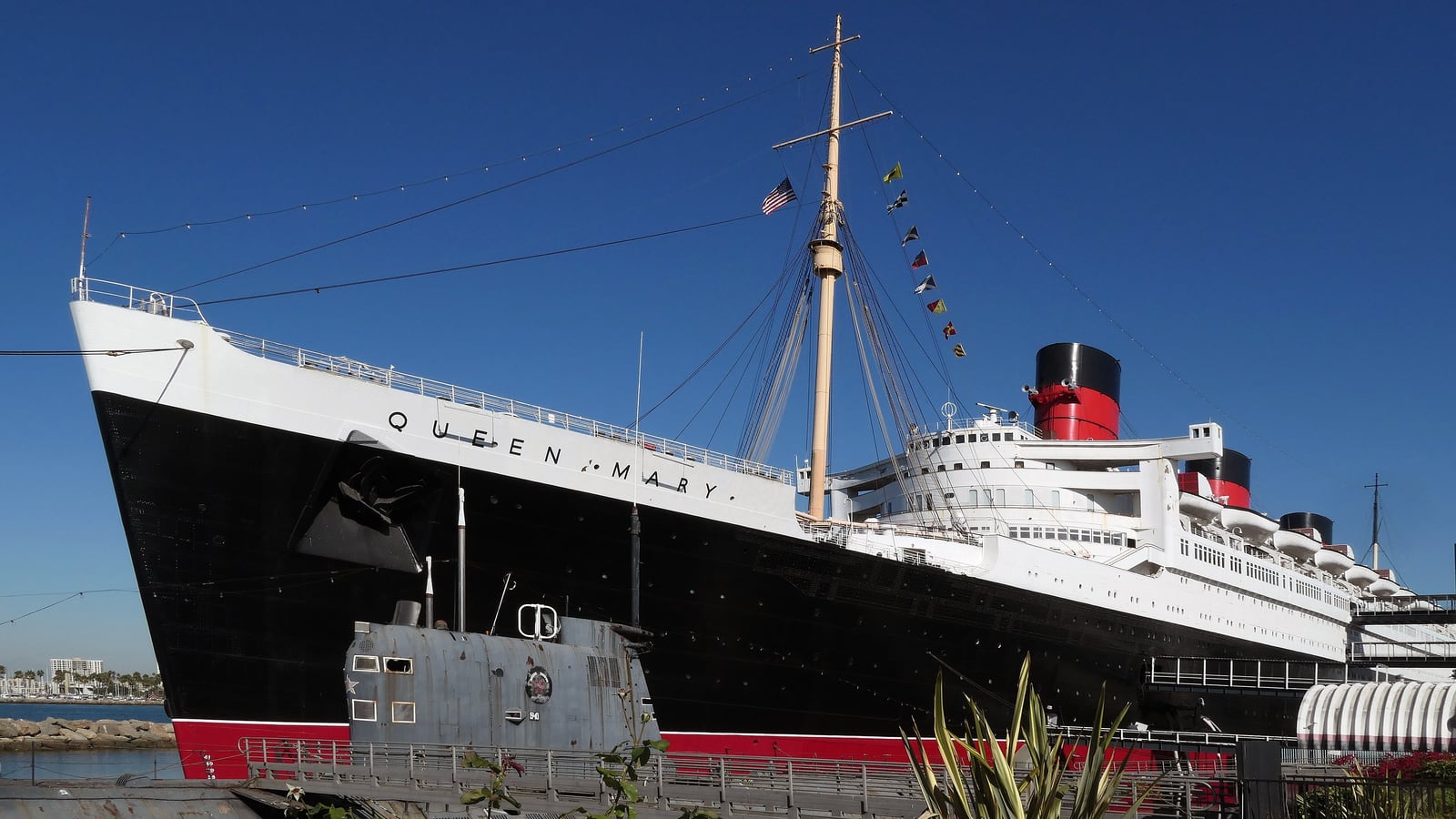
A transatlantic crossing is the working term for a cruise across the Atlantic — typically Southampton or Hamburg to New York or Fort Lauderdale, or the reverse. Cunard's Queen Mary 2 is the only purpose-designed transatlantic ship in service; she runs scheduled crossings nearly year-round. Other lines run transatlantic crossings as seasonal repositioning sailings.
A repositioning sailing is more general: any cruise that moves a ship from one operating region to another for the season change. The most common patterns: Caribbean to Mediterranean (April–May), Mediterranean to Caribbean (October–November), Alaska to Caribbean (September), Caribbean to Alaska (April), and various Asian and Australian repositionings.
A typical transatlantic crossing is 7 sea days. A typical repositioning sailing is 12–18 nights with multiple sea days and a handful of port calls — for example, Lisbon, the Canary Islands, Madeira, and the Azores on a Mediterranean–Caribbean fall repositioning.
Seasonal Patterns
The cruise industry's seasonal pattern is fairly predictable:
April–May: Caribbean-based ships move to Europe for the summer season. Bermuda and transatlantic sailings dominate.
September–November: European-based ships move to the Caribbean for the winter season. Mediterranean–Caribbean repositionings dominate.
April–May (West Coast): Caribbean and Pacific ships move to Alaska for the summer. Panama Canal full transits dominate.
September (West Coast): Alaska ships move to Caribbean or Pacific for the winter. Pacific Coast and Panama Canal full transits dominate.
These predictable patterns mean that the value windows for repositioning sailings are tight and consistent — typically 4–6 weeks in spring and another 4–6 weeks in fall.
The Value Math
Repositioning pricing is genuinely impressive on a per-night basis:
- A balcony cabin on a 14-night November Mediterranean–Caribbean repositioning currently runs about €1,400–€1,800 per person on Celebrity, Princess, or Holland America. That's €100–€130 per night per person on a premium-mid ship.
- The equivalent 7-night Mediterranean cruise in October runs €1,800–€2,400 per person — €260–€340 per night.
The per-night savings are real and substantial. But:
- One-way flights add cost. A New York to Athens one-way in April runs $600–$900; a Barcelona to Miami one-way in November runs $400–$700.
- Pre- or post-cruise hotel nights add cost. Most repositioning sailings end in cities that warrant at least one overnight (Lisbon, Barcelona, Athens, Civitavecchia).
After flights and pre/post hotel:
- A 14-night repositioning Mediterranean–Caribbean: €1,600 cruise + €700 one-way flight + €200 hotel = €2,500 per person for 16 days = €156 per person per night.
- A 7-night Mediterranean cruise: €2,100 cruise + €1,200 round-trip flight + €200 pre-cruise hotel = €3,500 per person for 9 days = €389 per person per night.
The repositioning still wins on a per-day basis — by 60% in this example — but you're committing to 14 nights at sea instead of 7.
The Sea-Day Reality
Repositioning sailings are sea-day heavy. A 14-night Mediterranean–Caribbean repositioning typically has 9–11 sea days and 3–5 port days. You will spend the majority of the cruise on the ship.
This is great if you genuinely enjoy the ship — sea days are the unhurried cruise experience, with morning lectures, daily activities, sea views, and the opportunity to actually use the spa, fitness center, and dining venues you might never get to on a port-intensive sailing.
This is bad if you booked the cruise expecting port density. The repositioning format is fundamentally different from a regional cruise.
The Right Lines for Repositioning
The lines that do repositioning best are the ones with the strongest sea-day programming:
- Cunard: the gold standard. The Queen Mary 2 in particular was designed for sea-day life. Lecturer programming is excellent. See our Queen Anne Mediterranean review for the canonical example.
- Viking Ocean: lecturer programs are properly intellectual. All-inclusive pricing simplifies the long-format value math.
- Holland America: strong destination lecturer programming and the best mass-premium dining at sea. Music Walk gives the evenings a real identity.
- Princess: solid sea-day programming with the Princess Theater and the Movies Under the Stars on warm evenings.
The lines that do repositioning worst are the high-energy mass-market lines whose value proposition depends on big-ship spectacle. Royal Caribbean and Carnival both run transatlantic and repositioning sailings, but the experience is muted compared to their Caribbean operations — the production shows are still there, but the ship feels different at half-capacity.
Common Questions
Best transatlantic for first-timers: Cunard QM2. The only purpose-designed transatlantic in service.
Best repositioning value: November Mediterranean–Caribbean on Princess, Celebrity, or HAL premium-mid hardware.
Wi-Fi for working: most ships now offer satellite Wi-Fi packages that are functional for email but slow for video calls. Build out your work plan before booking; don't expect a cruise to function as a serious office environment.
Sea-sickness: longer ocean crossings can be rough. The Atlantic in April or November is variable; the Pacific via Hawaii is generally calm. Bring motion-sickness preparation. See our seasickness survival guide for detailed strategies.
For the broader booking-strategy context, see our best time to book a cruise guide; for off-season decisions, see our off-season cruising guide.
Final Take
Transatlantic and repositioning cruises are the value play in the cruise market — but only for travelers who genuinely enjoy sea-day cruising and have the time for a 12–18 night sailing. The math works; the experience is fundamentally different from a regional cruise. Book with eyes open and the trip will reward the deal.