Cruise ships are big diesel engines on the water. The industry knows it, the regulators know it, and travelers increasingly want to know what their voyage actually costs the environment.
The honest answer: a cruise's footprint per person-day is significant, often higher than a comparable hotel-based vacation, and considerably higher than rail-based travel. But not all cruises are equal, and the gap between the best operators and the laggards is large enough to matter.
LNG-Powered Ships
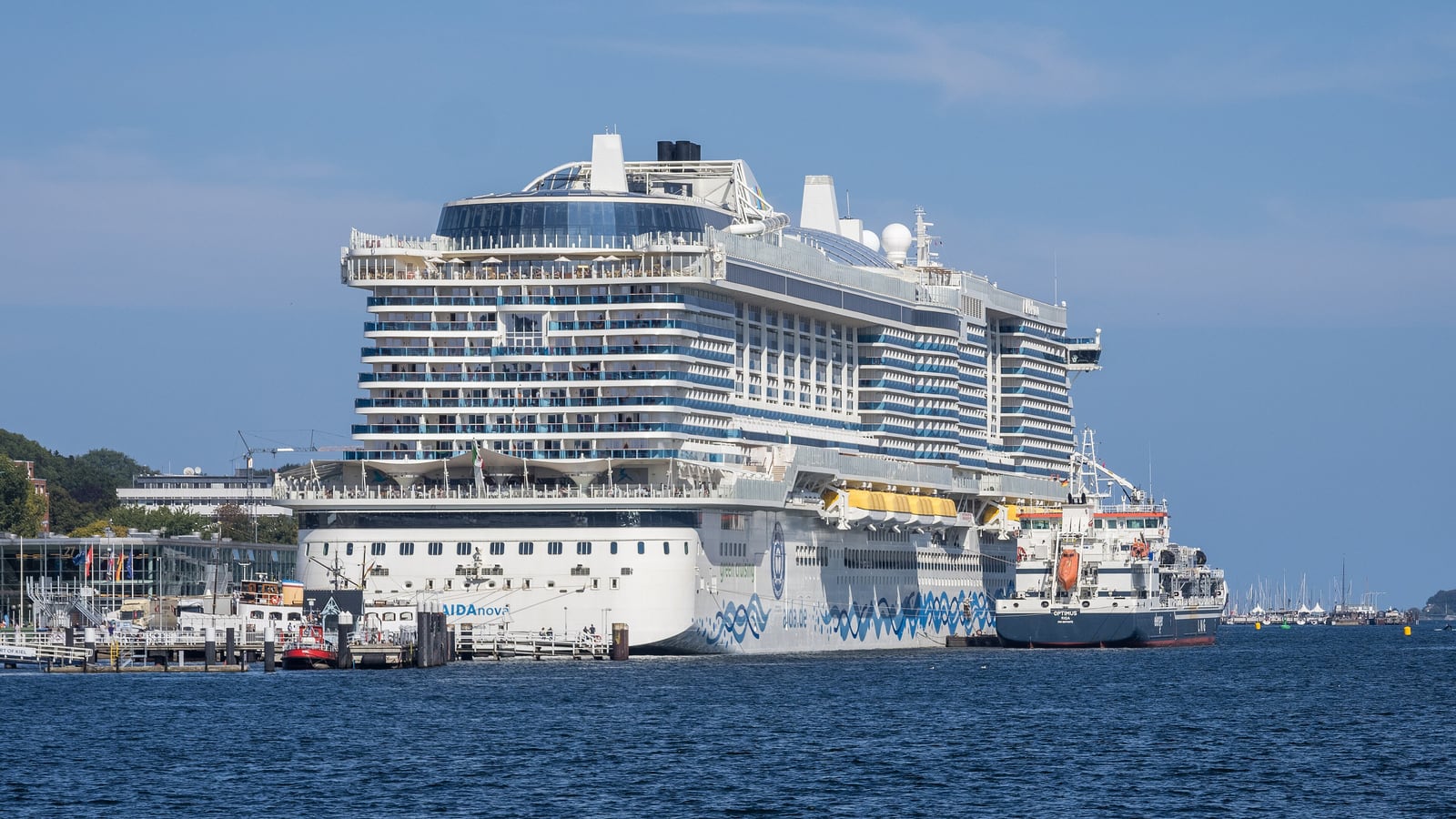
Liquefied natural gas (LNG) propulsion produces ~25% less CO2 than traditional marine fuel and dramatically fewer particulate emissions. The first generation of LNG cruise ships — AIDAnova (2018), Costa Smeralda, Iona, Mardi Gras, MSC World Europa, Carnival Celebration, Icon of the Seas — represents the cleanest mainstream cruise hardware available today. If a competing itinerary on a non-LNG ship is otherwise similar, choose the LNG ship.
Shore Power Capability
Many ports now offer shore power ("cold ironing") — letting docked ships shut off engines and run on grid electricity. Ships built after 2020 are generally shore-power-capable, but not every port supports it. Cities with widespread shore power include Halifax, Vancouver, Seattle, Bergen, Hamburg, and (increasingly) Mediterranean ports. Ships that can use shore power emit dramatically less in port.
Itinerary Choices
- Shorter cruises with fewer ports generally have lower per-day emissions than long, port-intensive itineraries.
- Repositioning sailings consolidate transit days that the ship would have done anyway.
- Avoid extreme remote destinations when sustainability matters — Antarctica and the Arctic are extraordinary but carbon-intensive.
What's Mostly Marketing
- "Carbon neutral" claims based on offsets — most offset programs lack rigorous verification.
- Plastic straw bans — symbolically nice, climate-irrelevant.
- "Eco-friendly" labels on excursions — often unverified.
Small Choices Onboard
- Decline daily towel changes and bedding refresh on multi-night stays.
- Skip bottled water — almost every cruise serves filtered ice water.
- Choose tours operated by certified local operators rather than mega-coach excursions.
The Best Operators on Sustainability
- Hurtigruten / HX — earliest hybrid-electric expedition ships and the most transparent emissions reporting.
- Ponant — ambitious decarbonization roadmap and rigorous expedition-impact protocols.
- MSC Cruises — the largest LNG fleet under construction and meaningful shore-power adoption.
- Lindblad Expeditions — rigorous National Geographic partnership on conservation impact.
The industry is changing slowly, and consumer pressure does help. Asking pointed questions at booking — is this ship LNG? does it use shore power? — increases the pressure for change.
Sustainable Cruising in Detail
Ship-level sustainability indicators:
The newest cruise ships have meaningfully better environmental profiles than older hardware. Key indicators to evaluate:
- LNG-powered ships: significantly lower emissions than traditional bunker-fuel ships. MSC World Europa, Costa Toscana, Carnival Mardi Gras, and AIDAcosma are LNG-powered. The newest builds across most lines are LNG-capable.
- Shore power capability: ships that can connect to land-based electrical grid in port (rather than running diesel generators) reduce in-port emissions dramatically. Major U.S. ports (Seattle, Vancouver, Long Beach, Brooklyn, Halifax) require shore-power capability for some sailings.
- Wastewater treatment systems: newer ships have advanced wastewater treatment that meets or exceeds municipal standards. Older hardware discharges treated wastewater further from shore.
- Single-use plastic policies: most major lines have eliminated single-use plastic straws, bottles, and many disposable amenities. Verify the specific line's commitments.
Line-level sustainability commitments:
Hurtigruten, Hapag-Lloyd, and Viking lead the industry on environmental commitments. Carnival Corporation, Royal Caribbean, and Norwegian Cruise Line Holdings have substantial sustainability programs that vary in execution by sub-brand.
Itinerary considerations:
Expedition operators in protected regions (Antarctica, Galápagos, Svalbard) are typically more environmentally responsible than mass-market operators because regulatory frameworks require it. Antarctic operators must be IAATO members; Galápagos operators must hold National Park permits with strict environmental standards.
Personal sustainability practices:
- Use reef-safe sunscreen in Caribbean and Hawaiian destinations (most ports now require this).
- Avoid excursions involving captive marine mammal interactions or unsustainable wildlife practices.
- Use the cabin's reusable water bottle program rather than single-use plastic.
- Choose excursions operated by local communities rather than international tour operators when both are available.
Carbon offset programs:
Most major cruise lines offer optional carbon offset bookings. The verification quality varies meaningfully; favor offsets through Gold Standard, Verified Carbon Standard, or similar third-party certified programs.
For broader planning context, see our Alaska cruise guide and our Norwegian fjords cruise guide; both regions have meaningful environmental frameworks worth understanding before you book.
Specific Line-Level Sustainability Profiles
Hurtigruten: the strongest sustainability profile in cruising. The Norwegian operator pioneered hybrid-electric expedition ships (MS Roald Amundsen, MS Fridtjof Nansen), eliminated single-use plastic across the fleet, and operates with a strong scientific-research integration on expedition itineraries. The Hurtigruten Foundation funds environmental and cultural projects in the regions the company operates.
Hapag-Lloyd Cruises: leading European luxury operator with strong environmental commitments. The Hanseatic Inspiration, Hanseatic Nature, and Hanseatic Spirit expedition ships are designed for low environmental impact in protected regions. Strong scientific-research integration on expedition itineraries.
Viking: increasingly strong sustainability profile. The Viking Octantis and Viking Polaris expedition ships are designed for low environmental impact; ocean ships have strong waste-management and energy-efficiency programs.
Royal Caribbean Group: substantial sustainability program (the Sea The Future commitment) with measurable progress on emissions reduction, waste reduction, and shore-power capability. The newest Icon-class and Quantum Ultra-class ships are LNG-capable.
Carnival Corporation: large-scale sustainability program across the company's nine cruise brands. The newest Carnival Excel-class, Costa LNG, and AIDA LNG ships are LNG-powered. Substantial investment in advanced wastewater treatment systems across the fleet.
Norwegian Cruise Line Holdings: sustainability commitments include carbon-neutral shore excursions (via offset programs), shore power capability on newest builds, and waste-reduction initiatives across the fleet.
Specific Personal Sustainability Tactics
- Choose newer ships when possible (post-2018 builds typically have meaningfully better environmental profiles).
- Choose LNG-powered ships when available for the same itinerary.
- Use reef-safe sunscreen in Caribbean and Hawaiian destinations.
- Choose excursions operated by local communities rather than international tour operators when both are available.
- Avoid excursions involving captive marine mammal interactions or unsustainable wildlife practices.
- Use the cabin's reusable water bottle program rather than single-use plastic.
- Choose airline routes that minimize stopovers (reduces airline emissions).
- Consider carbon offset purchases through Gold Standard or Verified Carbon Standard certified programs rather than cruise-line offsets of variable quality.
For broader planning context where environmental frameworks meaningfully shape the trip, see our Alaska cruise guide and our Norwegian fjords cruise guide.