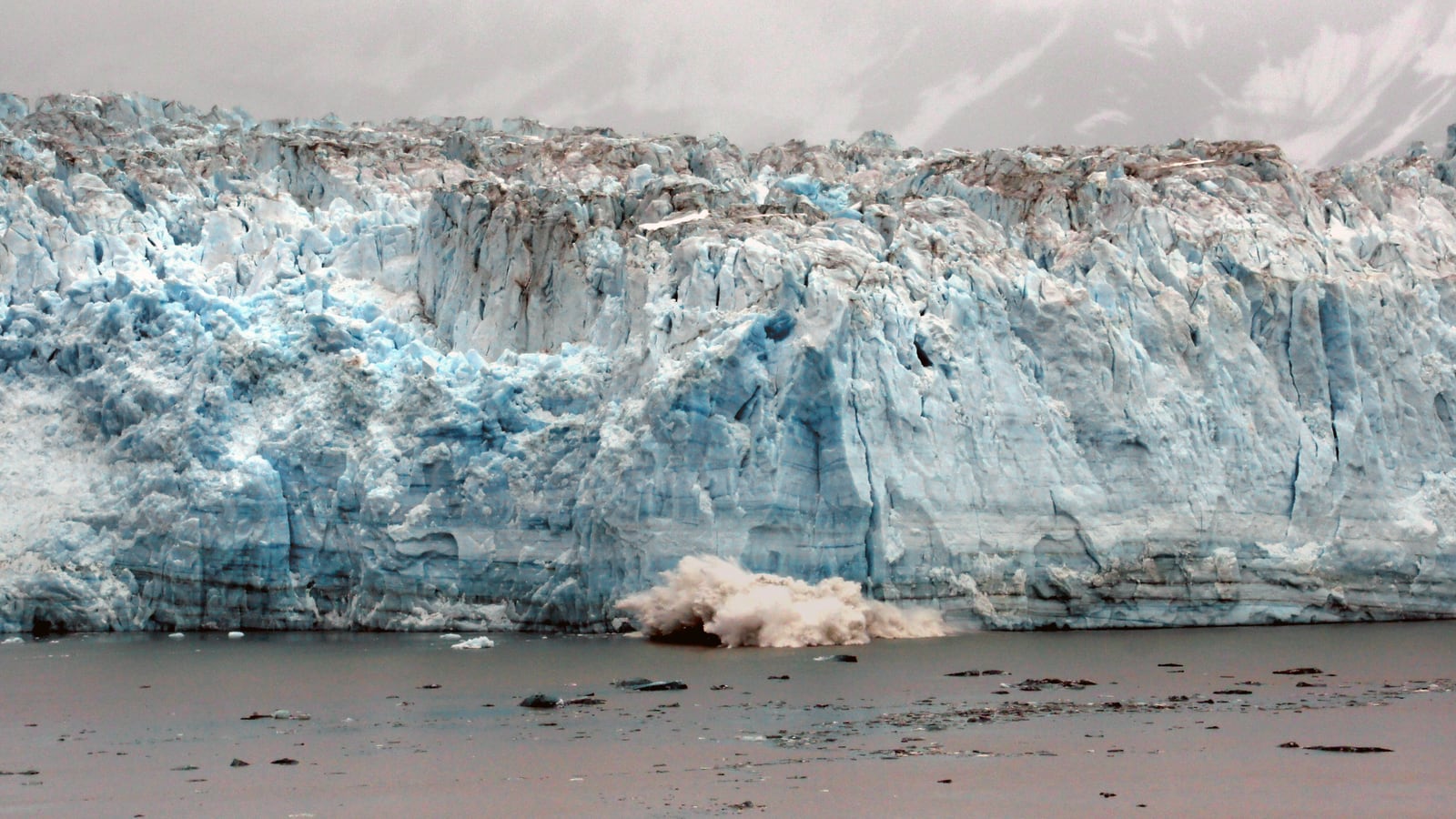
Alaska is one of the few cruise regions where the destination genuinely is the trip. Unlike Caribbean cruising — where the ship's amenities frequently outperform the ports — an Alaska cruise lives or dies by what you see outside the windows: glaciers calving in Glacier Bay, humpback whales bubble-feeding in the Inside Passage, brown bears at low tide on the rivers near Juneau, and the long, low light on the mountains north of Bodø.
This guide walks through the route choices, the cruise-line tradeoffs, the small decisions about Glacier Bay access that meaningfully affect the trip, and the seasonal timing that determines what wildlife and weather you'll actually encounter.
Contents
This guide covers: Inside Passage versus Gulf of Alaska routes; the Glacier Bay versus Tracy Arm decision; the right cruise lines and ships for Alaska; the May vs. July vs. September seasonal differences; port-day strategy in Juneau, Skagway, and Ketchikan; and the most-asked first-timer Alaska questions.
Inside Passage vs. Gulf of Alaska
Alaska itineraries divide into two main formats:
Inside Passage round-trip from Seattle or Vancouver. Seven nights, three or four ports, a glacier or glacier bay scenic day, and book-end sea days. The most common Alaska format and the right choice for most first-time Alaska cruisers.
Gulf of Alaska one-way Whittier (Anchorage) to Vancouver or Seward to Vancouver. Seven nights with a longer northern reach including College Fjord, Hubbard Glacier, and meaningful access to interior Alaska via cruise-tour packages (typically 2–4 days of overland touring before or after the cruise).
The Gulf of Alaska format is the choice for travelers who want to add Denali, the Alaska Railroad, or a Kenai Fjords day. It costs more (the one-way logistics and the cruise-tour add-on), but for a true bucket-list Alaska it's worth the upgrade.
The Glacier Bay Decision
This is the single most consequential booking decision for an Alaska cruise. Glacier Bay National Park access requires a National Park Service permit; only certain cruise lines hold permits. Currently:
Permitted operators: Norwegian, Princess, Holland America, Celebrity (limited), and the small-ship operators (Lindblad, UnCruise).
Not permitted, sail Tracy Arm or Endicott Arm instead: most other operators including most Royal Caribbean Alaska sailings.
Glacier Bay is the canonical Alaska scenic day — full-day access to the bay, ranger narration from the bridge, multiple glacier viewpoints, the highest-quality wildlife viewing on the typical Inside Passage route. Tracy Arm is a real and beautiful alternative — a narrow fjord with the Sawyer Glacier at the head — but it's weather-dependent (the ship may not be able to enter on a foggy day), the access is shorter, and the experience is less guaranteed.
If Glacier Bay is a priority — and for first-time Alaska cruisers it should be — book Holland America, Norwegian, or Princess. See our HAL Eurodam Alaska review for the most refined Glacier Bay experience, or Norwegian Bliss Alaska for the big-ship version.
Picking the Right Cruise Line
Alaska is mass-market and premium-mid territory; luxury operators are limited.
Mass-market: Carnival, Royal Caribbean, Norwegian. Big ships, big-ship energy, value pricing. Norwegian is the strongest mass-market Alaska operator (the Bliss-class observation lounges were purpose-built for the route).
Premium-mid: Princess, Holland America, Celebrity. More refined, more naturalist programming, more thoughtful ship design for the destination. Holland America and Princess are the historical Alaska specialists; both have decades of operational refinement.
Premium-plus: Cunard (occasional Alaska repositioning), Viking Ocean (no full Alaska program), Silversea (small-ship Alaska expedition).
Small-ship and expedition: Lindblad Expeditions, UnCruise Adventures, Alaskan Dream Cruises. Properly small ships (50–150 passengers), genuinely intimate Alaska, but at premium pricing and without the typical cruise amenities.
Seasonal Timing
The Alaska cruise season runs May through September. The differences across the season are significant.
May: snow on the peaks, longer twilight, fewer crowds, lowest pricing. The shoulder choice for travelers who want Alaska without the peak-season prices. Wildlife is active but less abundant than midsummer.
June, July, August: peak summer, peak wildlife, peak crowds, peak pricing. The reliable choice. June is the driest month; August has the warmest water (for kayaking and other water activities); July is the balance.
September: shorter days, fall colors on the tundra, northern lights potential at higher latitudes, modestly reduced pricing. Excellent shoulder choice for travelers who want a quieter Alaska. The risk: weather variability is higher.
Port-Day Strategy
Juneau: the Mendenhall Glacier is the must-see. The cheap independent option is the city bus ($5 per person each way, leaves from the cruise terminal area, drops at the visitor center). The ship excursion runs $80+ per person for the same access. Whale-watching from Auke Bay is also genuinely excellent — book independently from Allen Marine or Juneau Tours and save money over the ship excursion.
Skagway: the White Pass & Yukon Route Railway is the iconic excursion. Book directly with the railway (whitepassrailroad.com) rather than through the ship and save 25–30%. The town itself is a small-and-historic Gold Rush stop worth a half-day walk after the train.
Ketchikan: the smallest of the Inside Passage ports. Creek Street and the Saxman Native Village are the cultural anchors; both are walkable from the cruise terminal. Skip the lumberjack show.
Glacier Bay (or Tracy Arm) day: be on deck or in the observation lounge by 7am. Stay there until the ship turns. Pack warm layers; the bow and observation deck temperatures drop into the 40s°F even in July.
Common First-Timer Questions
Best ship for first-time Alaska: Norwegian Bliss or Holland America Eurodam. Both purpose-designed for Alaska; both with excellent Glacier Bay programs.
Cruise tour or just the cruise? If this is your first and possibly only Alaska trip, add the cruise tour. Denali and the Alaska Railroad are genuinely once-in-a-lifetime additions.
Cabin choice: balcony, port-side. Most Alaska scenic cruising puts the dramatic side on port (left). For Glacier Bay specifically, port and starboard both get views — the ship rotates.
Weather: layers. Daytime temperatures range from 50°F to 75°F. Rain is likely on most port days. Bring waterproof shoes and a rain jacket; both are non-negotiable.
For broader off-season strategy on cruises beyond Alaska, see our off-season cruising guide; for the photographic side of expedition-style cruising, see our sustainable cruising guide.
Final Take
Alaska is one of the few cruise regions where the routing decisions outweigh the cruise-line decisions. Pick the right format (Inside Passage round-trip vs. Gulf of Alaska one-way), the right scenic day (Glacier Bay vs. Tracy Arm), and the right month, and the cruise itself becomes the supporting cast for what should be the trip of a lifetime.