The Mediterranean is the world's most culturally dense cruise region. A single seven-night itinerary can call at five different countries, four UNESCO World Heritage sites, and two thousand years of architectural history. That density is also the region's planning challenge: there is so much to see that a poorly planned cruise can leave you exhausted, sunburned, and oddly underwhelmed by what should have been the trip of a lifetime.
This guide walks through the four Mediterranean sub-regions, the seasonal trade-offs, the cruise-line tone differences in this very European market, and the strategies that make a Mediterranean cruise rewarding rather than punishing.
Contents
This guide covers: the four Mediterranean regions and their distinct identities; the dramatically different best-times-to-sail by region; choosing the right cruise line for the European context; port-day strategies for the cultural-density Mediterranean; the value math for European cruising; and a guide to the most-asked Mediterranean cruise questions.
The Four Mediterranean Regions
Western Mediterranean
The Western Med covers Spain (Barcelona, Palma, Málaga), the south of France (Marseille, Provence ports), Italy's western coast (Genoa, Livorno for Florence, Civitavecchia for Rome, Naples for Pompeii and Amalfi), and sometimes Sicily and Malta.
This is the highest-volume Mediterranean route and the one most first-time European cruisers book. Itineraries are typically seven nights and call at five or six ports. The Italian leg (Florence, Rome, Naples) is the cultural heart. Spain is the energetic anchor.
Eastern Mediterranean / Greek Isles
The Eastern covers Greece (Athens, Mykonos, Santorini, Rhodes), Turkey (Istanbul, Kuşadası for Ephesus), Cyprus, and sometimes Israel and Egypt.
The Greek Isles are the postcard Mediterranean — Santorini's caldera view, Mykonos's whitewashed alleys, Rhodes's medieval walls. Istanbul is the trip-defining port for any itinerary that includes it. Israel and Egypt have been logistically variable in recent years; check current operator guidance.
Adriatic and Croatia
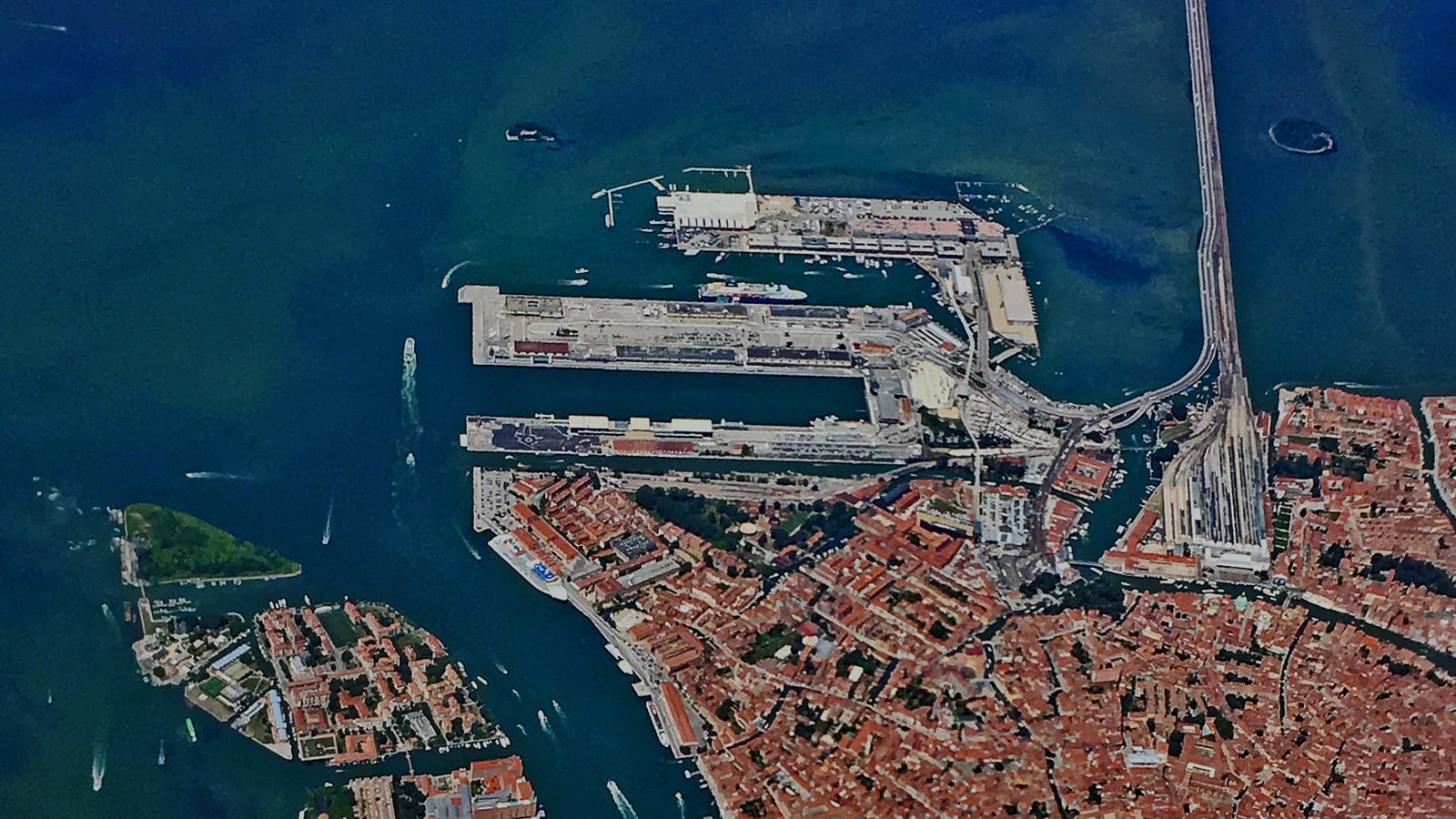
The Adriatic covers Venice (or the Trieste replacement port), Dubrovnik, Kotor (Montenegro), Split, and sometimes Slovenia and Albania.
The Adriatic is the underrated Mediterranean. Dubrovnik's old city is unmatched. Kotor's fjord-shaped bay is one of the most spectacular ship arrivals anywhere. The smaller Croatian ports (Split, Zadar) reward unhurried independent walking.
Black Sea
The Black Sea — formerly an alternative Eastern Med extension covering Bulgaria, Romania, and Ukraine — has been suspended as a routine cruise destination since 2022 and is unlikely to return in the near term.
When to Sail
This is where the Mediterranean diverges sharply from the Caribbean: there is a genuine right and wrong time to sail, and the wrong months can ruin the trip.
Best months: April, May, September, October. Warm but not punishing temperatures (typically 65–80°F). Ports are populated but not overwhelmed. Cruise-line pricing is at its best of the year.
Peak summer: June, July, August. Temperatures push 90–100°F at southern ports. Cruise-line pricing peaks. Crowds at Pompeii, the Acropolis, and Florence are genuinely overwhelming. Avoid if possible.
Shoulder edges: late March and early November. Cooler (sometimes cold) but typically dry. Pricing is the lowest of the cruise season. The lighter crowds are a real benefit. The risk: some ports have variable weather.
Off-season: November through March. Most lines pull capacity. Some itineraries continue (transatlantic repositioning, holiday-themed cruises), but many shoreside attractions close, hours are reduced, and the weather is genuinely Mediterranean winter (cold, sometimes wet).
Picking the Right Cruise Line
The Mediterranean has the most diverse cruise-line lineup in the world. Beyond the American mass-market and premium-mid lines, the region adds genuinely European operators (MSC, Costa) and the boutique premium operators (Oceania, Azamara, Viking Ocean, Silversea, Seabourn).
For value mass-market Mediterranean cruising, MSC is typically the price leader and the cultural fit is genuinely European. See our MSC Meraviglia Western Mediterranean review for context.
For premium-mid Mediterranean, Celebrity, Holland America, and Princess are the strongest options. The Edge class on Celebrity is the most refined hardware in this tier. See our Celebrity Apex review (Northern Europe but same hardware) or HAL Koningsdam Mediterranean.
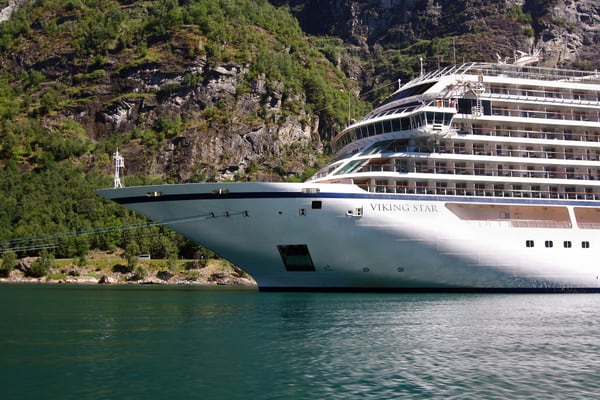
For premium and luxury Mediterranean, Viking Ocean is the most-comparable mid-luxury choice; Cunard for British formality; Oceania, Silversea, Seabourn, Regent for true luxury.
Port-Day Strategy
The single highest-leverage decision on a Mediterranean cruise is how you handle port days.
Plan ahead, not on board. Mediterranean ports require advance reservation for the major sights — the Vatican, the Uffizi, the Acropolis are all timed-entry bookings. Book these online before the cruise; do not rely on ship excursions to handle scheduling for you.
Ship excursions for difficult logistics, independent for walking ports. Pompeii from Naples is a sensible ship excursion (40-minute drive each way, language barrier, complex archaeological site). Walking the Old City of Dubrovnik is not — it's a 15-minute walk from the ship and the city itself is the experience. Use ship excursions where they save real friction; go independent where they don't.
Build in margin. Mediterranean port days run hot. The ship typically requires return to the gangway 60 minutes before departure; build in another 60 minutes of buffer. Better to sit at a café near the dock than to miss the ship.
Pace yourself. Five port days in a row will exhaust most travelers. Use sea days as recovery days; don't try to maximize every minute. The Mediterranean rewards travelers who sustainably engage rather than ones who try to do everything.
The Value Math
A balcony Mediterranean cruise currently runs about €200–€350 per person per night all in for premium-mid; €120–€200 for mass-market MSC. Compare to:
- A Mediterranean hotel-based trip: €350–€600 per person per night plus the friction of internal flights and transfers.
- A Mediterranean rental-and-restaurant trip: €250–€450 per person per night plus serious logistical complexity.
- A guided land tour: €400–€700 per person per night for comparable sight coverage.
The Mediterranean cruise is a serious value play for cultural breadth — you cover ground in seven nights that would take three weeks to see by land.
Common First-Timer Questions
Best Mediterranean for first-timers: Western Mediterranean from Civitavecchia. The Italian core (Rome, Florence, Pompeii) is the cultural anchor; the Spain-and-France ports add variety.
Wi-Fi at sea: as expensive as Caribbean Wi-Fi and often slower in port (where Mediterranean cell coverage is excellent — use a European data plan instead).
Currency: euro across most of the Mediterranean. The Croatian kuna was replaced by the euro in 2023. Turkey uses the lira. Bring an unlocked phone with a European eSIM for cell coverage.
Dress code: more conservative than Caribbean, especially for evenings ashore. Light long pants and modest shirts are appropriate for most ashore restaurants.
For the booking-strategy conversation, see our guide to the best time to book a cruise; for off-season decisions, see our off-season cruising guide.
Final Take
The Mediterranean rewards thoughtful planning more than any other cruise region. The ports are densely cultural, the weather pattern is sharply seasonal, and the cruise-line choices are unusually varied. Spend the planning hours; the trip will repay them many times over.