Tender ports are the cruise itinerary feature that separates well-prepared travelers from frustrated ones. When a ship anchors offshore rather than docking at a pier — typically in shallow harbors, protected anchorages, or destinations without sufficient port infrastructure — passengers must transfer to shore via small boats called tenders. The process is straightforward in principle but unforgiving in practice: poor planning can cost you 2–3 hours of a 6–8 hour port day, particularly on full-ship tender operations from larger vessels.
This guide walks through what tendering actually involves, why it matters more on some lines than others, how to manage the timing, and the practical tricks that consistently save tender-day hours. The aim is to make tender ports work for you rather than against you.
Contents
This guide covers: what tendering is and why ships use it; the common tender ports and their patterns; how the tender process works on different cruise lines; the booking and excursion strategy on tender days; weather considerations; and the most-asked tender-day questions.
What Tendering Is
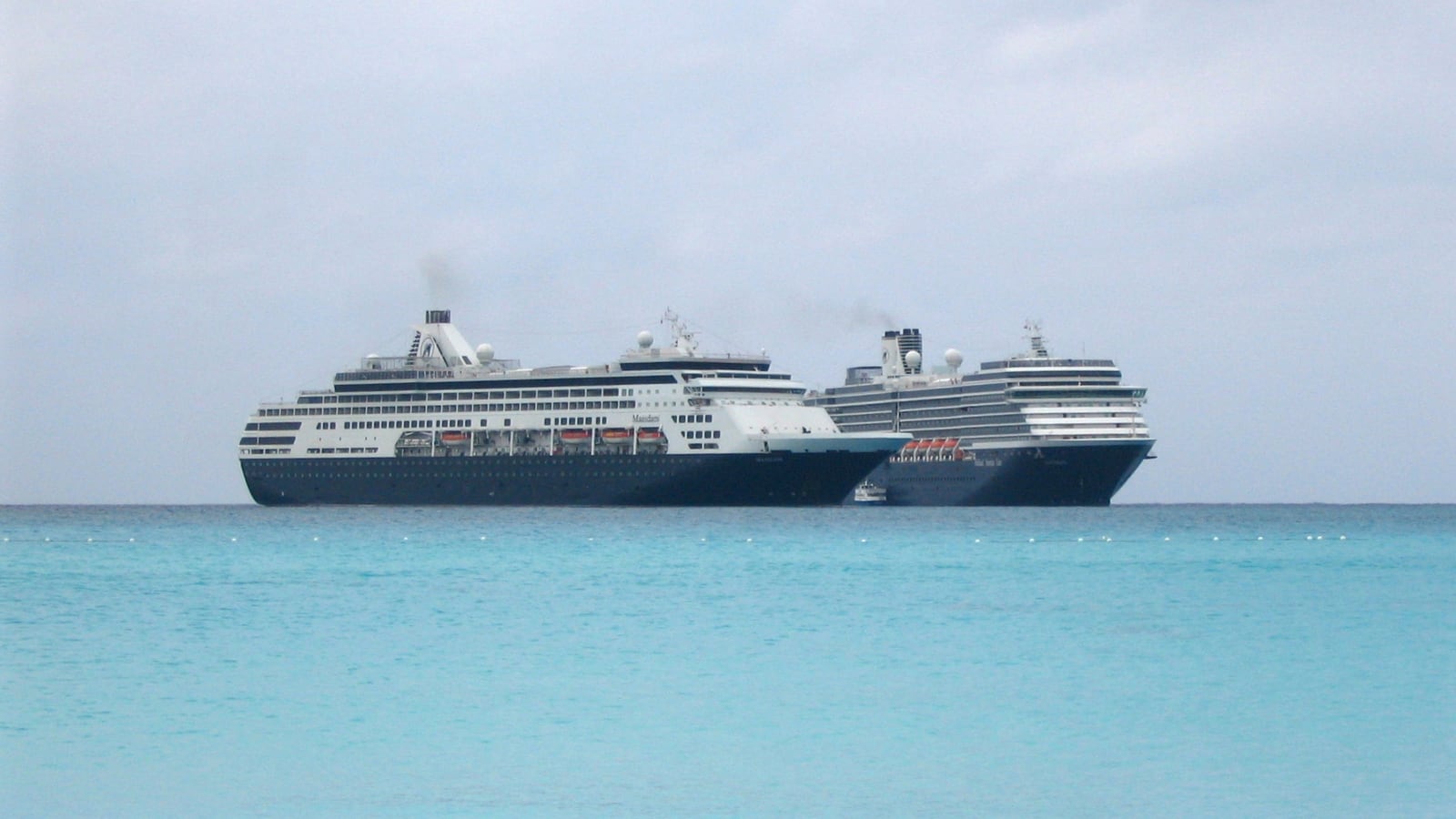
A "tender port" is any destination where the ship anchors offshore rather than docking. Reasons vary:
Shallow harbor: the port physically cannot accommodate the ship's draft. Many Caribbean ports (Grand Cayman, Princess Cays, CocoCay alternatives) and Mediterranean ports (Santorini, Kotor in some seasons) fall in this category.
Limited pier infrastructure: the port has piers but cannot handle a 4,000-passenger ship's volume. Cabo San Lucas, Bar Harbor, Half Moon Cay are common examples.
Environmental protection: certain ports limit dock access to preserve harbors or wildlife (Glacier Bay does not allow tendering; the ship simply cruises through). Galápagos and Antarctic operations are pure-tender by regulation.
Weather or substitution: a ship that normally docks may anchor and tender if weather requires. Some Mediterranean ports (Mykonos, Santorini in heavy weather) shift to tender on short notice.
The ship operates "tenders" — typically the ship's own lifeboats configured for shuttle service, occasionally larger contracted tenders supplied by the port authority. Each tender holds 100–250 passengers and runs continuously throughout the port day.
Common Tender Ports
A short, non-exhaustive list of frequently encountered tender ports:
Caribbean tender ports: Grand Cayman, Half Moon Cay, Princess Cays, Belize (occasionally), Roatán (occasionally on smaller piers).
Mediterranean tender ports: Santorini, Mykonos (some berths tender), Kotor, certain Croatian ports, Capri (some sailings).
Alaska tender ports: occasional substitutions; primary tender ports are Sitka and Icy Strait (some operations).
Bermuda: ships dock at King's Wharf typically, but Hamilton tender operations exist for some smaller ships.
Mexican Riviera tender ports: Cabo San Lucas (the canonical example), occasionally Loreto.
French Polynesia and South Pacific: most ports are tender (the bay anchorages around Bora Bora, Moorea, etc.).
When booking a cruise itinerary, scan the port list for any tender ports — they significantly affect the planning rhythm of those days.
How the Tender Process Works
Different cruise lines manage tendering differently. The general pattern:
Tender ticket distribution. On most lines, passengers without booked excursions need a tender ticket to disembark. Tickets are distributed in a designated lounge starting 30–60 minutes before tender service begins. Lines split into two camps:
- Mass-market ships (Royal, Carnival, NCL): large tender ticket queues start very early. The first tickets distributed get the first tenders.
- Premium-mid ships (Princess, Celebrity, HAL): tender tickets exist but the queue is calmer; mid-morning departures are usually fine.
- Small ships (Viking, luxury): typically no tender ticket required; passengers walk to the tender directly.
Priority tendering. Passengers booked on the cruise line's organized excursions get first tender priority — they meet in a specific lounge, get called by excursion group, and tender straight to their excursion meeting point. This is the single biggest reason to consider booking ship excursions on tender days even if you'd normally book independent.
Tender capacity and turnover. Tenders typically run on 15–25 minute cycles. A 4,000-passenger ship needing to transfer 2,500 passengers ashore therefore takes 2–3 hours from first tender to last departure-from-ship. The early tender wave is rarely crowded; the 9–10 am wave is the worst congestion.
Return tendering. Less crowded than the morning departure, but the last 1–2 hours before all-aboard see significant queues. Plan to be back at the tender pier 60–90 minutes before all-aboard time on a busy tender day.
Booking and Excursion Strategy
The tender-day excursion decision is more consequential than at a docked port:
Strong arguments for ship-organized excursions on tender days:
- Priority tender (skip 1–2 hours of queue).
- Guaranteed return to ship even if weather closes the tender operation early.
- Excursion times are coordinated with tender schedules.
Strong arguments for independent excursions on tender days:
- Substantial cost savings (often 40–60% less than ship excursions).
- More flexibility on the ground.
- Many tender ports have well-developed local independent operators.
The decision depends on the specific port. Grand Cayman and Cabo San Lucas have excellent independent infrastructure that justifies the tender wait. Santorini and Mykonos have such crowded ports that ship-organized excursions are often the rational choice.
Weather Considerations
Tendering is the cruise itinerary feature most subject to weather cancellation:
Wind: tender operations typically suspend at sustained winds above 25–30 knots. Caribbean tender ports rarely hit this threshold; Mediterranean and Alaskan ports occasionally do.
Sea state: tenders cannot safely dock in significant swell. A ship may anchor but not tender if the bay swell is above 3–4 feet.
Visibility: dense fog can suspend operations until visibility improves.
Decision timing: ships typically make the tender go/no-go decision the night before or the morning of arrival. Captain's announcements at 7:00–8:00 am usually confirm the day's plans. If tendering is canceled, the day becomes a sea day; refunds for ship excursions are automatic; refunds for independent excursions depend on the operator's policy (book with operators that have explicit no-tender refund policies).
Common Questions
How early should I queue for tender tickets? On a mass-market ship at a busy tender port, 30 minutes before opening. On premium-mid lines, 10 minutes before opening is sufficient. On small luxury ships, no queue is typically needed.
Are ship excursions worth the extra cost on tender days? Yes for first-time visitors to crowded tender ports (Santorini, Mykonos), and for any tender day where a missed excursion would mean missing the destination's signature experience. No for routine beach days at Caribbean tender ports, where independent operators are well-developed.
What about for mobility-limited passengers? Most ships offer tender priority for mobility-limited guests; ask Guest Services on day one. Some tenders have mobility-limited accommodations, but heavy seas can prevent boarding.
What if I miss the last tender back to the ship? You'll need to arrange transport to the ship's next port of call at your own expense — this is one of the most expensive cruise mistakes. Always plan to return 90 minutes before all-aboard time on tender days.
For broader port-day planning, see our Caribbean cruise guide or our Mediterranean cruise guide; for cabin location considerations relevant to tender access, see our cabin upgrade strategies guide.
Final Take
Tender ports are not a reason to avoid a cruise, but they require slightly more planning than docked ports. The early tender wave or the priority of a ship-organized excursion is consistently the right answer at busy tender ports; the casual mid-morning approach works at quieter ones. Build 90-minute return buffers, keep an eye on weather, and the tender ports become some of the most distinctive stops of any cruise — Santorini, Cabo, Half Moon Cay all reward the small extra logistical investment.